

Deep Cosmopolitanism
Kutiyattam, Dynamic Tradition, and Globalizing Heritage in Kerala, India
Deep Cosmopolitanism explores the extraordinary past and present of Kutiyattam Sanskrit theater, the world's oldest continuously performed theater. Recognized as India's first UNESCO intangible cultural heritage of humanity, the matrilineal temple art of Kutiyattam has been performed by men and women in Kerala, India, since the tenth century C.E.
Deep Cosmopolitanism illustrates how Kutiyattam Sanskrit theater has encountered multiple forms of cosmopolitanism over the course of its thousand-year history. Exploring how Kutiyattam artists create meaning out of their deep past through everyday narratives and reflections, author Leah Lowthorp traces the art's cosmopolitan encounters over time, from the premodern Sanskrit cosmopolis to Muslim sultans, British colonialists, Communist politics, and UNESCO intangible cultural heritage. In so doing, Lowthorp fundamentally rethinks the notion of cosmopolitanism from a non-Western perspective with premodern roots and offers a critique of the colonialist undertones of how international heritage organizations like UNESCO conceptualize peoples and traditions around the world.
Diving into an ethnographic exploration that considers Kutiyattam's multiple cosmopolitanisms over a period of one thousand years, Deep Cosmopolitanism offers a model for decolonizing modernity and challenges us to rethink what it means to be cosmopolitan, traditional, and modern in the world today.
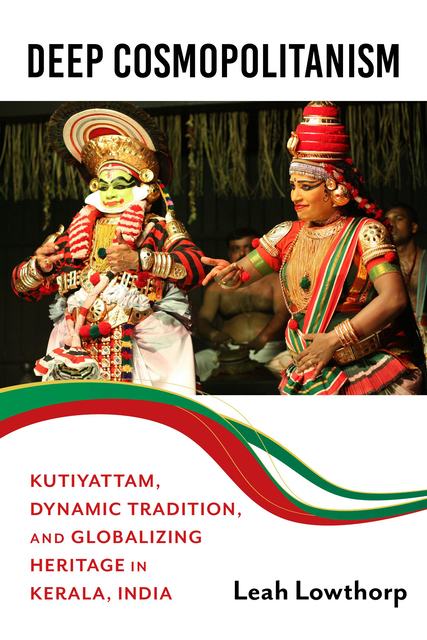
Table of Contents
Metadata
- isbn978-0-253-07642-7
- publisherIndiana University Press
- publisher placeBloomington, Indiana USA
- rightsCC-BY-NC-ND 4.0
- rights holderTrustees of Indiana University
- rights territoryWorld
- doi
We use cookies to analyze our traffic. Please decide if you are willing to accept cookies from our website. You can change this setting anytime in Privacy Settings.